
Above Ground and Under Guard: The Story Behind New Orleans’ Oldest Cemetery
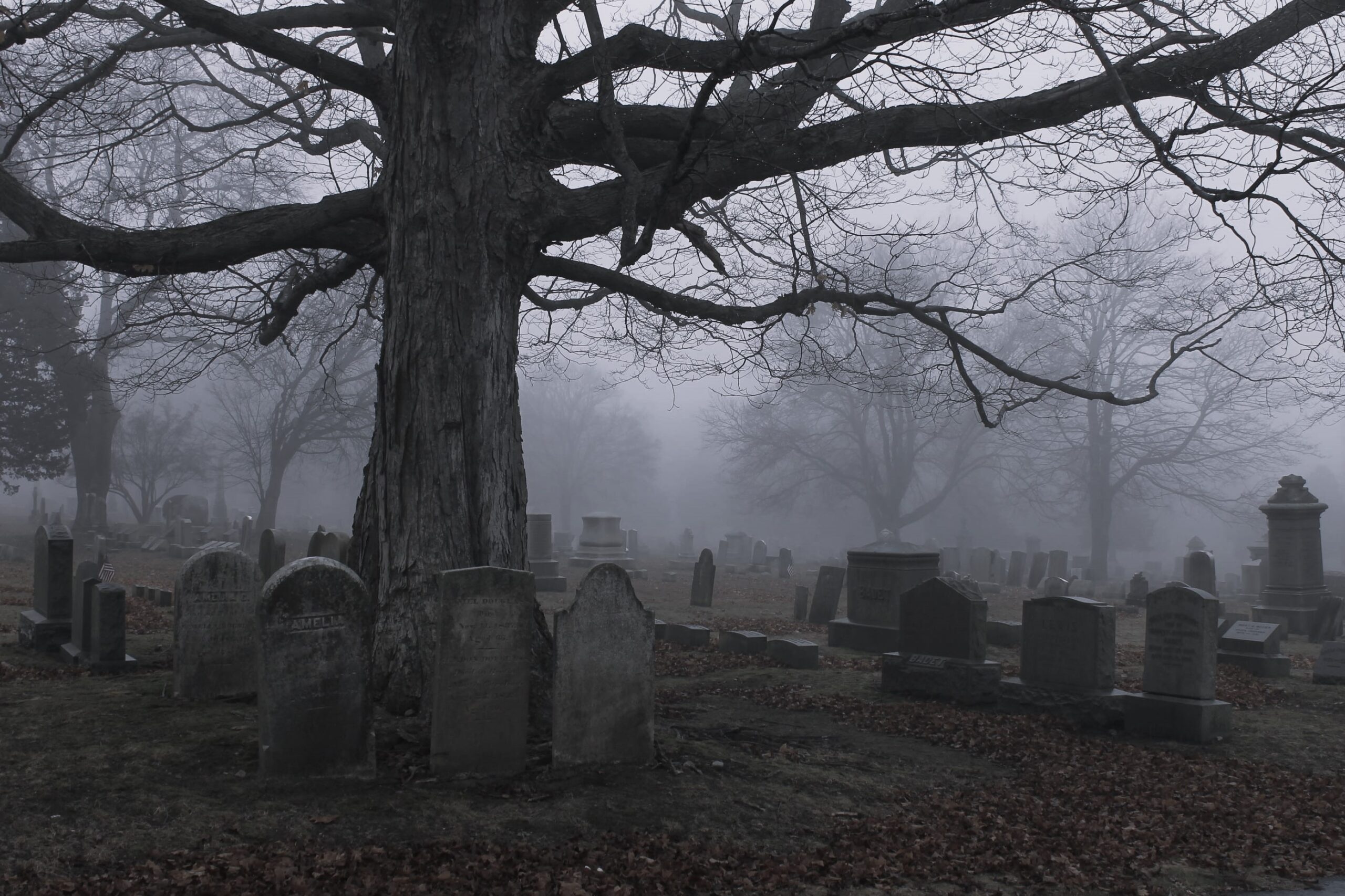
St. Louis Cemetery No. 1 is easy to picture even if you have never been to New Orleans: a small city of tombs built above the ground. It shows up on almost every list of America’s haunted cemeteries, and stories of cold spots and shadowy figures follow it everywhere. The real history is just as interesting, and it explains why the gates now stay closed to anyone without a guide.
A Cemetery Born of Fire and Fever
The year 1788 was a hard one for New Orleans. According to New Orleans Catholic Cemeteries, the city suffered the first of two great fires and an epidemic, and its burial ground on St. Peter Street was already full. Physicians worried about disease, so the acting government closed the old cemetery and ordered a new one farther from where people lived.
The Church chose a parcel on the edge of marshy swampland, outside the walls of the fortified city and near the rear garden of what was then Charity Hospital. A picket fence went up, and burials began right away. The site was meant to be temporary, but a Spanish royal decree made it permanent on August 14, 1789, a date also recorded by The Historic New Orleans Collection. That makes it the oldest cemetery still standing in the city.
Why the Tombs Sit Above the Ground
The earliest burials here were most likely in the ground, following the custom of the old St. Peter Street cemetery. That changed in 1803, when a city ordinance required all interments to take place above ground. The reason was practical: the land was low, flooding was a constant threat, and the water table sat high.
The rule was not strictly followed at first, but it set the pattern New Orleans is known for, and the above-ground vaults continued a memorial tradition the city had inherited from France and Spain.
A Burial Ground That Mirrors the City
After the Louisiana Purchase in 1803 and the Haitian Revolution of 1791–1804, the city’s population changed quickly. Americans from the Northern states brought Protestantism with them, and thousands of refugees arrived from Haiti with a mix of Catholic, Caribbean and West African–based beliefs. The cemetery grew to match. A Protestant burial ground was added at the back, with a space beside it set aside for African Americans and people of color.
City planning reshaped the grounds again in 1832, when Conti, Treme and Basin streets were extended across the property and burials in their path were moved. The current main entrance gate dates from that project. In 1975 the cemetery was listed on the National Register of Historic Places for its national significance in art and architecture. In 2008 the state added it to the Louisiana African American Heritage Trail because so many historically significant African Americans are buried there.
The Tomb Linked to Marie Laveau
The most visited tomb here is the Glapion family tomb, believed to hold the remains of Marie Laveau, the 19th-century Voodoo priestess. Stories say that if you draw three Xs on her tomb, she will grant your wish. For years visitors did exactly that.
According to reporting from Tulane University, the three-X custom is a fairly recent invention rather than an old Voodoo practice. The legend still draws people in, but the marks themselves damage a fragile historic structure.
Why You Can’t Walk In Alone
The damage kept piling up. In December 2013, vandals painted the entire Laveau tomb pink, and new Xs appeared even after it was restored. The Archdiocese of New Orleans responded by limiting entry starting March 1, 2015: family members could still come in, and everyone else had to be accompanied by a licensed tour guide.
That system is still in place. Visitors enter through an official tour program, and families with loved ones buried there show a family pass at the front gate.
What the Rules Mean Inside the Gates
St. Louis Cemetery No. 1 is not a museum. Its caretakers describe serving families in a dignified, sacred manner as their first priority, and a few habits follow from that:
- Writing or drawing on a tomb counts as vandalism, whatever the legend says.
- Stay with your guide; the restriction exists to protect the tombs.
- Don’t leave offerings or objects on the tombs; the cemetery treats them as litter.
- Remember that families still come here to visit their own.
Through its Abandoned Tomb Initiative, New Orleans Catholic Cemeteries restores tombs according to the Secretary of the Interior’s Standards for Historic Preservation Projects, as outlined by the National Park Service. The work is funded by tourism revenue and donors. The legends bring people to the gate, and the rules keep the tombs intact for the next generation of visitors.
Recommended Travel and Media Sites